How to Keep Fleet Maintenance Running Smoothly During Cold Weather



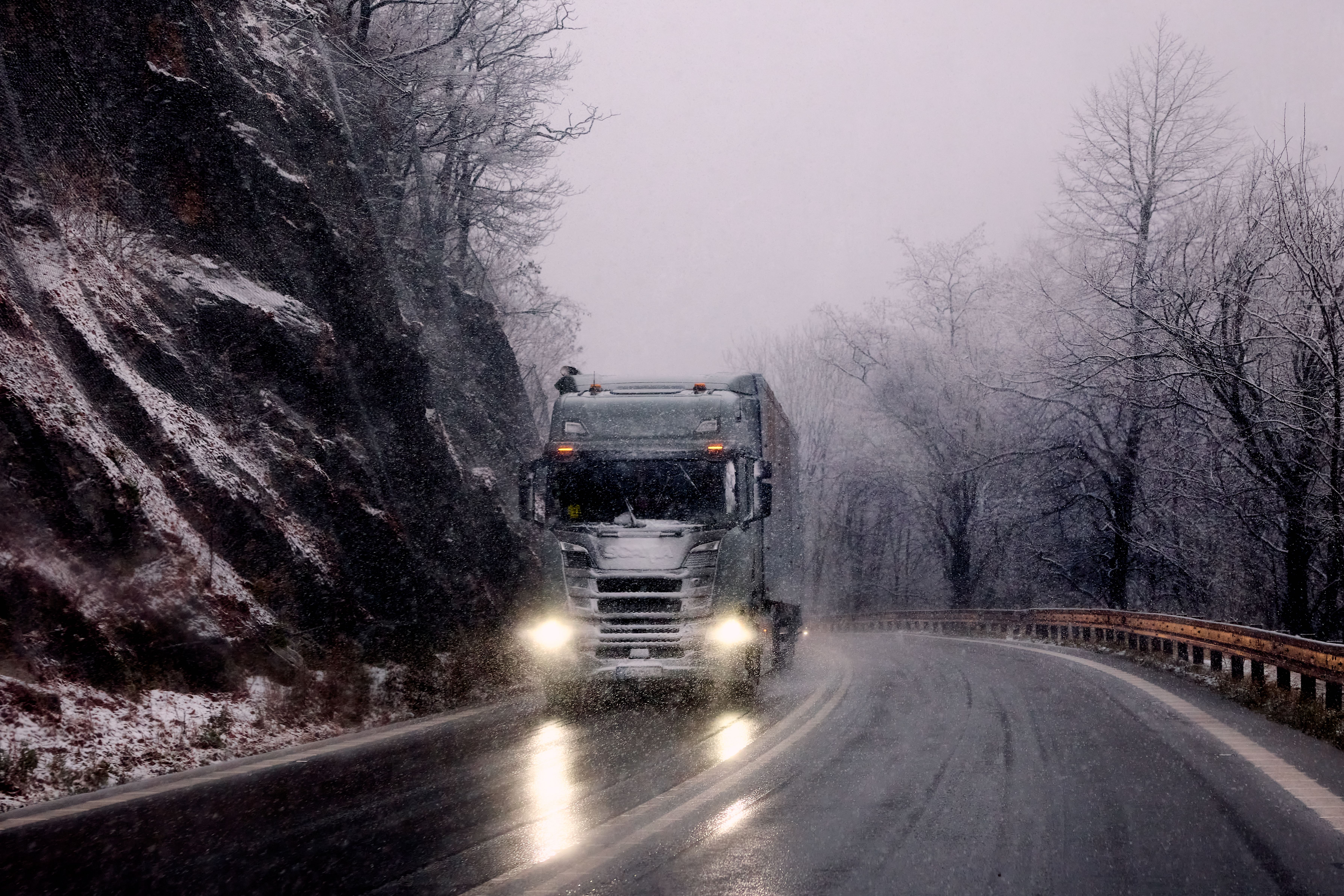
Cold weather doesn't just create breakdowns. It exposes weak maintenance processes. When temperatures drop, fleets see predictable spikes in:
- no-start events
- battery and electrical failures
- brake and air system issues
- roadside service spend
- delayed preventive maintenance
The difference between a fleet that struggles in winter and one that stays operational usually isn't the equipment, it's how maintenance is managed. Here's how leading fleets use smarter maintenance operations and AI-driven workflows to stay ahead of winter conditions.
Why winter stresses your maintenance operation (not just your vehicles)
Winter increases both the volume and the complexity of service events. All at once, you're dealing with:
- more emergency and breakdown work
- higher vendor utilization
- faster decision cycles
- more manual coordination
- increased pressure on technicians and supervisors
And if your maintenance process still relies heavily on phone calls, email approvals, spreadsheets, or disconnected vendor systems, cold weather quickly becomes a cost multiplier.
1. Shift from reactive to condition-focused maintenance
Traditional PM schedules alone don't reflect winter operating conditions. High-performing fleets adjust their winter maintenance strategies to emphasize:
- battery health monitoring
- charging and electrical system performance
- coolant and antifreeze condition
- air and brake system moisture exposure
- starter and alternator performance history
Instead of relying only on mileage or calendar-based intervals, fleets should use historical repair data and failure trends to identify which assets are most likely to fail in the cold. With Fleetrock, maintenance teams can quickly surface recurring cold-weather failure patterns, asset-specific risk trends, and seasonal repair frequency by component, so they can proactively target the vehicles most likely to create downtime during winter.
2. Use AI to eliminate manual triage during breakdowns
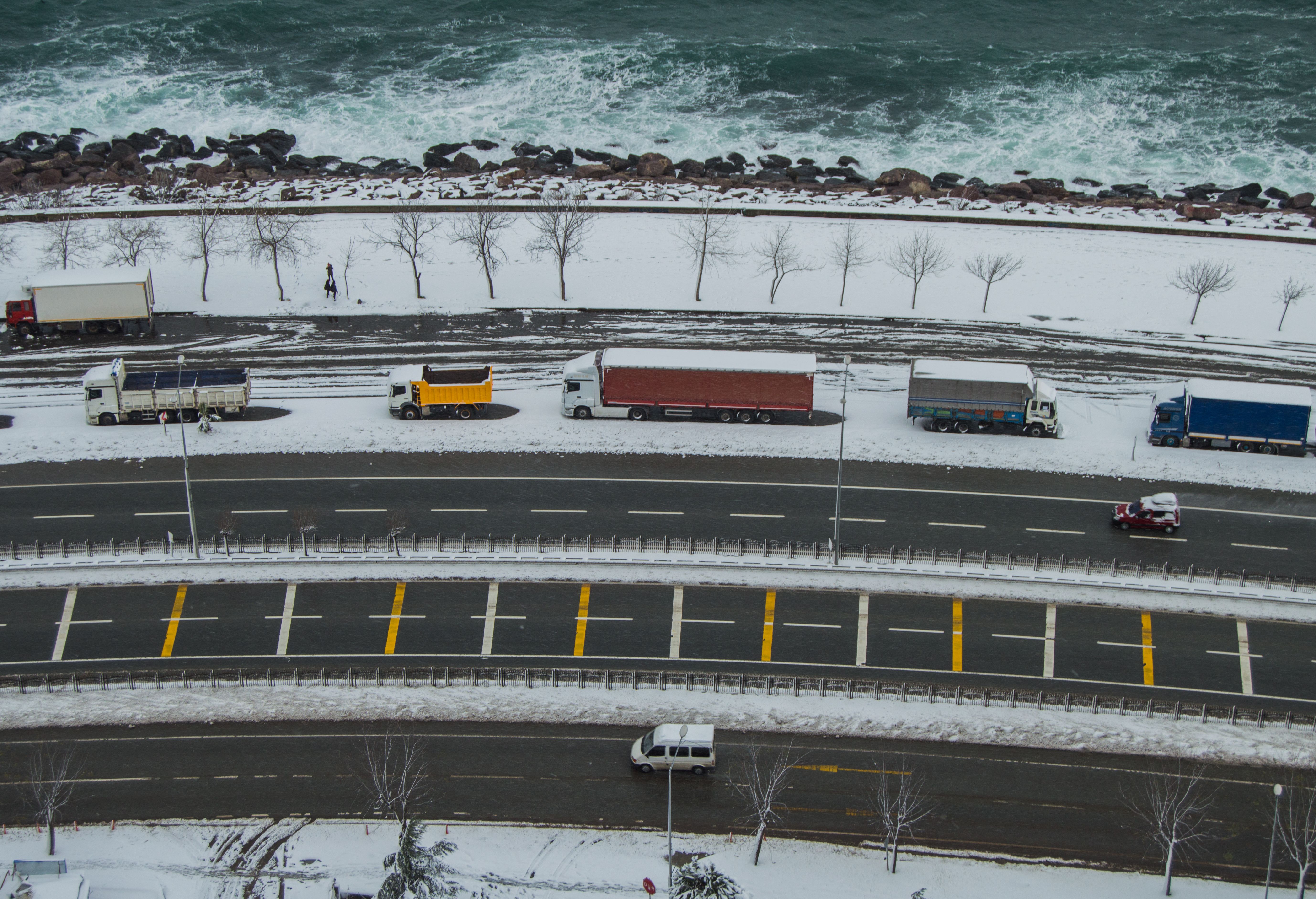
Winter breakdowns generate chaos: multiple vendors, repeated status calls, delayed approvals, and incomplete repair documentation. AI changes that workflow entirely. Fleetrock's AI tools help maintenance teams:
- automatically classify incoming invoices and repair events
- summarize service history and recent failures
- highlight anomalies in labor, parts, and vendor charges
- flag potential warranty or goodwill opportunities
Instead of manually reading repair orders and invoices during a high-volume season, your team can focus on faster decisions and better service outcomes. That matters most in winter, when response time directly affects safety and operational continuity.
Real results: breakdown management that doesn't fall apart under pressure
Evans Network of Companies moved from inconsistent breakdown handling to a system with full detail capture and national account pricing behind every event. Drivers now rate their repair experience 4.98 out of 5, and both cycle time and overall breakdown cost have come down.
Winter is exactly when that consistency gets tested hardest. A breakdown process that only works when things are calm isn't a breakdown process.
🔗 Read the full Evans Network case study
3. Control winter vendor spend in real time
Winter creates a perfect storm for uncontrolled spend: emergency rates, mobile service premiums, and extended downtime. The key isn't just finding cheaper vendors, it's managing how work is sourced and approved. Fleetrock enables:
- standardized repair authorization workflows
- location-based and service-type vendor routing
- visibility into vendor performance by region and event type
- real-time cost comparisons across similar winter repairs
With those controls in place, fleets can avoid overpaying during urgent events, identify vendors with repeated winter performance issues, and cut unnecessary mobile service calls when a nearby capable facility exists.
4. Reduce winter downtime with smarter prioritization
During the winter months, not every service event should be treated the same. Fleetrock enables maintenance teams to prioritize repairs based on:
- asset criticality
- operating location and route impact
- current open work volume
- historical turnaround performance
Instead of managing repairs in a simple first-in, first-out model, supervisors can dynamically route attention to the vehicles that matter most to operations. That improves fleet availability without increasing headcount.
5. Recover more warranty dollars when winter failures occur
Cold weather accelerates failures, but many of those failures are still eligible for warranty or extended coverage. In winter, warranty recovery often gets overlooked because teams are focused on keeping vehicles moving. Fleetrock automatically analyzes repair activity and parts data to identify potential warranty claims, policy mismatches, and missed recovery opportunities. For many fleets, winter is one of the highest periods of missed warranty value, and automated detection ensures your team recovers those dollars without slowing down operations.
6. Give leadership visibility into winter risk and cost drivers
Winter creates new questions for leadership:
- Which regions are driving emergency spend?
- Which assets are creating the most downtime?
- Are certain vendors underperforming in severe conditions?
- Is our PM strategy actually preventing failures?
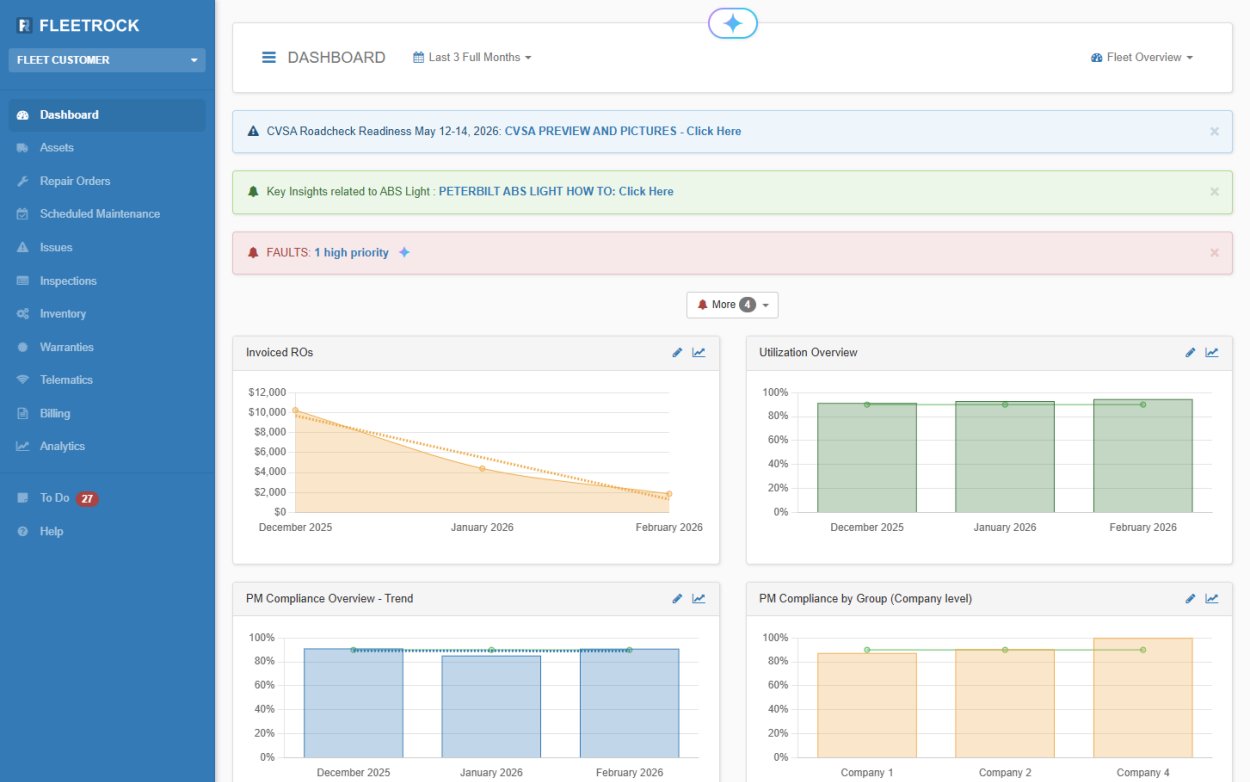
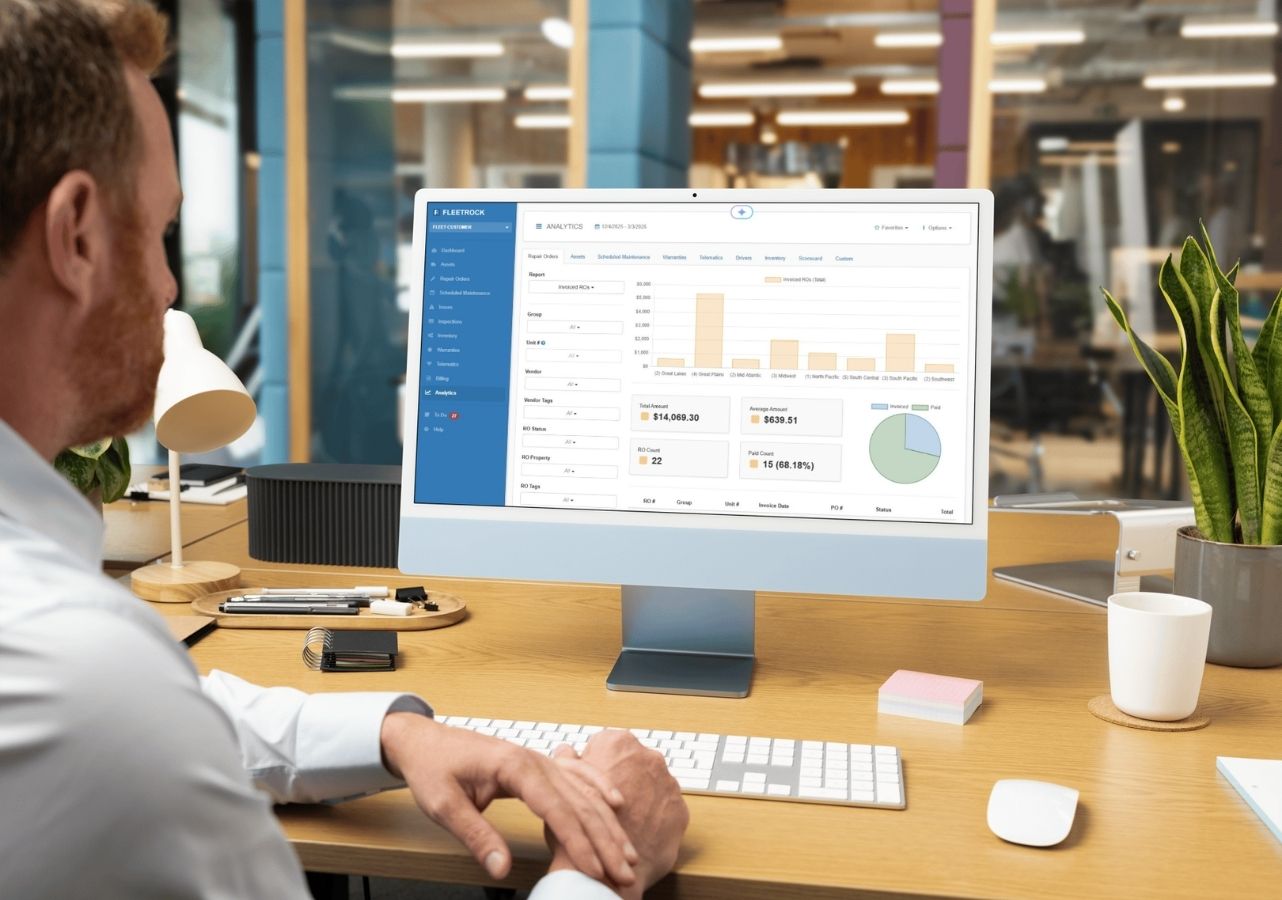
Fleetrock provides role-based dashboards that answer them, showing:
- winter-specific failure trends
- breakdown vs. planned maintenance ratios
- downtime by region and asset class
- cost per event during cold weather periods
This turns winter maintenance from a reactive operational problem into a measurable performance initiative.
A simple winter readiness checklist
Before winter peaks, leading fleets typically review:
- high-risk assets based on prior winter failure data
- battery, charging, and electrical repair trends
- vendor coverage and response times by region
- emergency vs. scheduled repair ratios
- warranty recovery opportunities for cold-weather failures
If you can't answer those questions easily, the issue isn't the weather, it's visibility.
Winter doesn't have to drive higher costs
Cold weather will always create operational stress, but unmanaged maintenance processes are what turn winter into unnecessary downtime and uncontrolled spend. Fleetrock helps fleets:
- anticipate failures before they disrupt operations
- streamline winter breakdown workflows with AI
- control vendor performance and pricing
- recover more value from every repair event
The result is not just fewer breakdowns. It's a more resilient maintenance operation when it matters most.