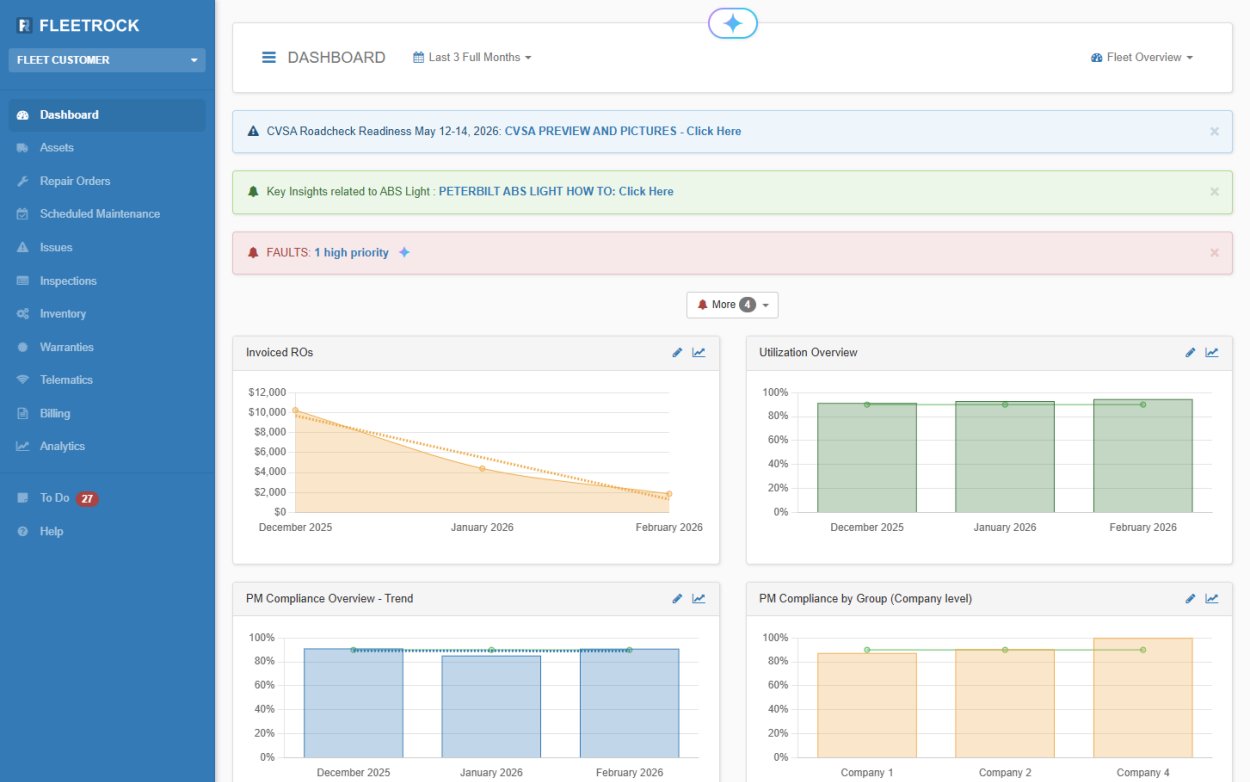
Connected Fleets, Smarter Operations: The Integration Imperative




Service operations have always been the beating heart of fleet management. From handling unexpected breakdowns to scheduling preventive maintenance, the ability to keep vehicles on the road directly determines uptime, cost control, and customer satisfaction. Yet service teams are often bogged down by manual data entry, inconsistent vendor updates, and siloed systems that make it harder to see the full picture.
This is where integrations change everything. By connecting service providers, telematics, TMS, and accounting systems into one unified platform, fleets can eliminate duplicate work, gain cleaner data at the source, and dramatically improve how service operations are planned, executed, and measured. What was once reactive firefighting becomes a streamlined, intelligent process that drives smarter operations across the entire business.
Why integrations are reshaping fleet strategy
For decades, fleet teams worked in silos: telematics data in one platform, maintenance logs in another, accounting in spreadsheets, and dispatch decisions handled by phone calls or sticky notes. Each system served its purpose, but none communicated seamlessly.
The cost of this fragmentation is clear: duplicate data entry, inaccurate reporting, slow decision-making, and vehicles sidelined longer than necessary. As margins shrink and the industry becomes more competitive, fleets can't afford these inefficiencies.
That's why integrations have become central to the next generation of fleet platforms. When done right, they don't just connect systems, they unlock new ways of operating.
From telematics data to intelligent maintenance
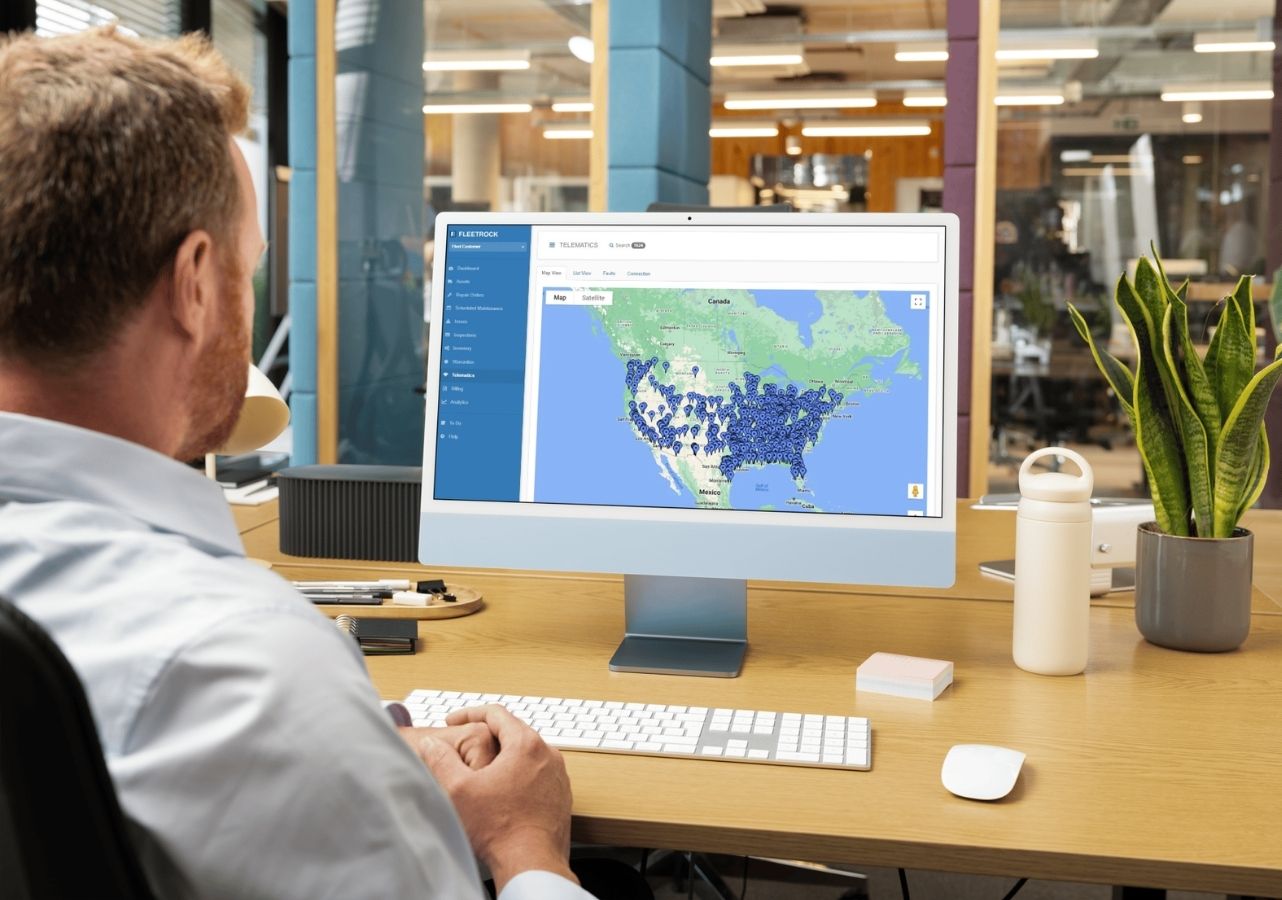
Telematics is a cornerstone of modern fleet management, but data only creates value when it flows into the right workflows. By integrating telematics with maintenance platforms, fleets close the loop between what's happening on the road and what happens in the shop.
- Automated DVIR workflows: Defects reported by drivers flow instantly into the platform as work orders, and once repairs are complete, the resolution updates the telematics system automatically.
- Fault codes and AI: When a fault code appears, AI-driven recommendations provide the action plan that helps teams move from reactive firefighting to proactive decision-making.
- Smarter scheduling: Odometer and engine hours sync directly into scheduled maintenance, keeping service intervals accurate and vehicles healthier for longer.
- Location context: Knowing where an asset is in real time adds another layer of intelligence to scheduling and resource allocation.
This isn't just integration, it's a reimagining of how telematics data powers smarter, faster fleet decisions.
Real results: one connection, no more double entry
Dingus Transportation Services used to manually pull DVIR data out of Samsara and re-enter it into a separate repair system, every time, for every vehicle. After connecting the two directly through Fleetrock, that manual bridge disappeared. Compliance reached 90%, and leadership gained full visibility into repair costs and profitability for the first time.
"There was no comparison. Our last system didn't interconnect with Samsara, so there was a lot of disconnect. Now we have that connection, I am over the moon. This is a massive step forward."
Jason Samples, Dingus Transportation Services
🔗 Read the full Dingus Transportation Services case study
The power of connecting TMS and fleet management
Transportation Management Systems (TMS) are the heartbeat of dispatch. But when a TMS operates in isolation from maintenance, blind spots emerge.
Integrating TMS with fleet platforms gives dispatchers real-time visibility into vehicle availability. Instead of being surprised by a truck in the shop, they can plan with confidence. Repair and billing data also flow seamlessly, keeping operations and finance aligned.
In an industry where every delay ripples through the supply chain, this level of integration isn't just helpful, it's strategic.
Service providers: the hidden opportunity
Perhaps the most underestimated area of integration lies with service providers. Today, too many fleets rely on manual entry of vendor invoices, repair notes, and completion updates. The result is wasted time and inconsistent data.
Direct integrations with service providers change that. Repair status, cost details, and parts usage flow straight from the vendor into the platform, eliminating duplicate entry and significantly improving the accuracy of fleet records.
This has two major implications:
- Data quality at the source: Fleets gain cleaner, more reliable data, leading to better insights and reporting.
- Speed and efficiency: Teams spend less time on data entry and more time making decisions that impact operations.
As fleets move toward digital transformation, service provider integrations will shift from "advantage" to "expectation."
Flexibility: preparing for what's next
The pace of change in fleet technology is only accelerating. Fleets need platforms that aren't locked into rigid integrations but can flex with evolving business needs.
That's why APIs and webhooks have become so important. With open integration frameworks, fleets can connect ERP systems, accounting platforms, and custom apps, or even push data back into the fleet management platform itself. The key is adaptability: being able to integrate with the tools you rely on today while staying ready for tomorrow.
Fleetrock's perspective
At Fleetrock, we believe integrations aren't just a feature, they are the foundation of modern fleet management. We've structured integrations with telematics, TMS, accounting systems, and service providers so fleets can operate as one connected ecosystem. And with our API and webhook capabilities, we give customers the flexibility to build the integrations that matter most to them.
But more importantly, we see integrations as part of a larger industry shift. Fleets that embrace connectivity will lead the way, running leaner, smarter, and more competitively. Those that resist will find themselves stuck with siloed data, higher costs, and slower decision-making.
The future of fleet management is integrated. The question is: will your fleet be ready?